
SIM Card Era Shock: 7 Big Changes That May End Mobile Numbers by 2026

SIM card era is entering a turning point as mobile numbers, once our digital lifeline, face a future where identity, banking, and communication may no longer depend on a single number.
Table of Contents
SIM Card Era and Why Mobile Numbers Became So Powerful
The SIM card era did not gain importance overnight. When mobile phones first arrived in India, they were only meant for calling. There was no internet, no apps, and no digital payments. Phones were expensive and limited.
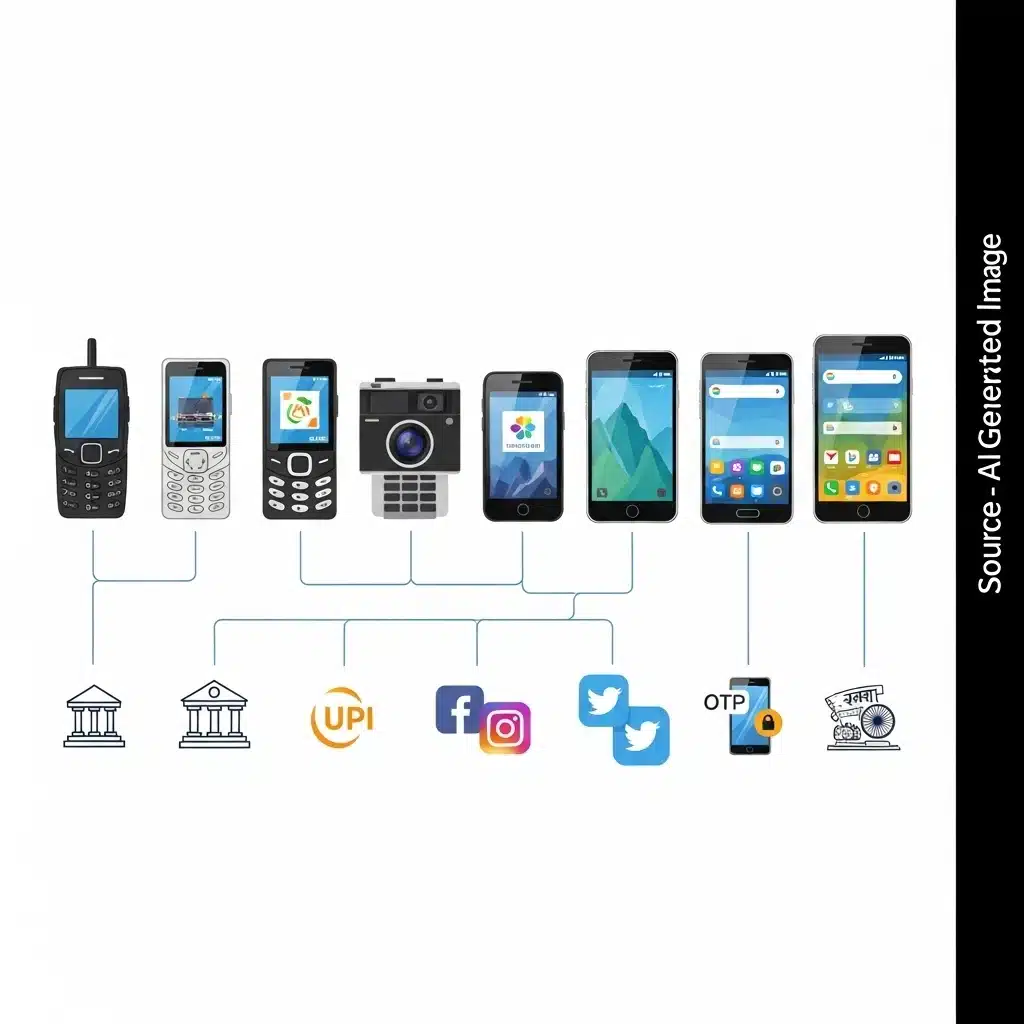
As technology evolved, SMS arrived, followed by mobile internet, banking apps, and OTP-based verification. Slowly, mobile numbers became the key to everything—bank accounts, UPI, social media, gas connections, and government services. In the SIM card era, your number became your identity.
But this power created a risk. Mobile numbers can be deactivated, changed, or reassigned. When that happens, the danger isn’t just losing a SIM—it’s losing access to your entire digital life.
OTP alternative security : Frauds, Hacks, and OTP Traps
Several fraud cases highlight the dark side of the SIM card era. Bank accounts drained, UPI frauds, and WhatsApp takeovers often trace back to one issue—OTP messages reaching someone else after a number was recycled.
This raises a serious question: should our entire digital identity rely on something we don’t fully control? Governments, banks, and tech companies are now rethinking this model.
Internet Is Replacing Traditional SIM-Based Connectivity
Clear signs show the SIM card era is evolving. Today, WhatsApp, Telegram, Zoom, and Google Meet allow calls without SIM cards. All you need is internet access.
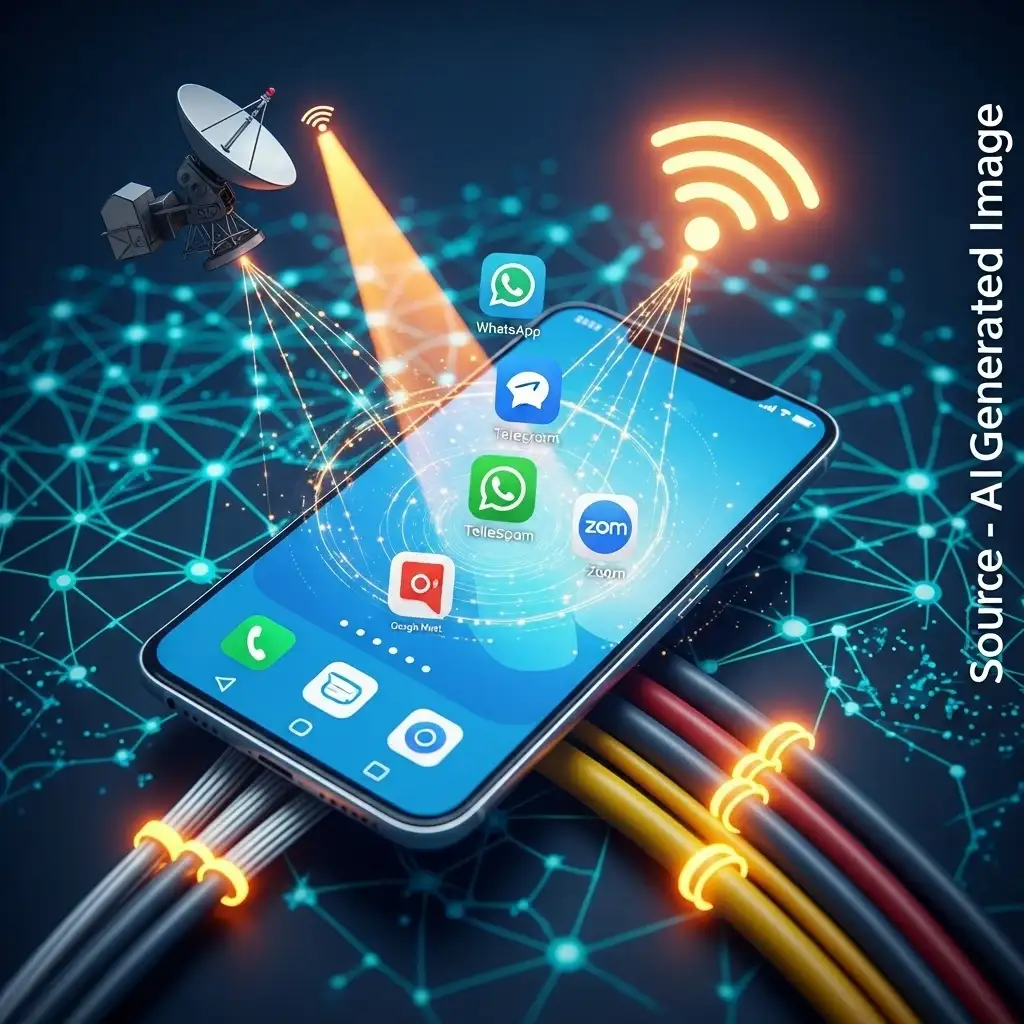
At the same time, fiber networks, public Wi-Fi, and satellite internet are expanding rapidly. In the near future, phones may stay connected without a SIM at all. In this new SIM card era, numbers may become optional, not essential.
How Banking and UPI Will Work Without Mobile Numbers
Currently, OTPs dominate digital payments. But banks are already testing biometric systems—face scans, fingerprints, device security, and AI-based verification.
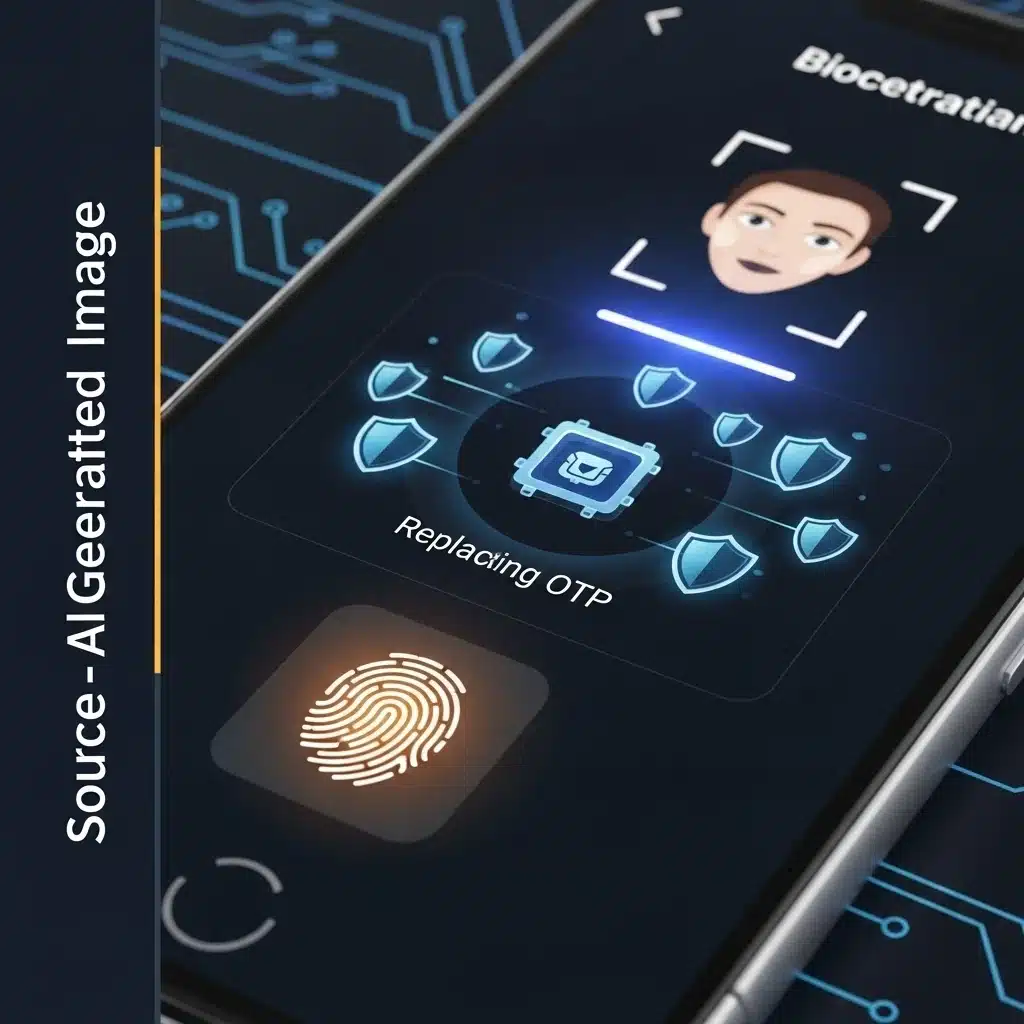
OTPs will not disappear completely, but in the evolving SIM card era, they may become backup options. Your identity will be based on who you are, not which number you own.
What Users Should Do to Stay Secure in the Digital Shift
The move away from SIM-based systems will be gradual, not sudden. To stay secure, users should strengthen their digital defenses by adding backup email IDs, enabling two-step verification, and protecting devices with screen locks or biometric security. It’s also crucial to avoid keeping unused SIM cards, using numbers registered under someone else’s name, or neglecting basic number safety. As digital identity systems continue to evolve, taking personal responsibility for security will become more important than ever.
FAQs
1. Will SIM cards completely disappear by 2026?
No, but their role will become limited.
2. Will OTP stop working?
OTPs may remain as backup options.
3. How will banking work without numbers?
Biometrics and device-based verification will help.
4. Is this change risky?
No, it may improve security.
5. What should users do now?
Enable two-step verification and secure devices.
Disclaimer
This article is based on expert discussions and technology trends. No official government announcement confirms the complete end of mobile numbers.
Read Also:
Google Pixel 9 Pro Fold Follow us on Facebook for daily study hacks Follow us on Linkedin for daily study hacksJoin Our Facebook Group
———-Next Story——–
———-Next Story——–


Ninonggaming is the real deal, folks! Been using it for a while now and the payouts are legit. Plus, the games are actually fun. Give it a shot! Find more information here: ninonggaming
Hey guys, saw a few people talking about jili30login. I signed up myself last week and so far, so good! The interface is clean and easy to navigate. Worth checking out jili30login.
Just giving a shoutout to roobety. Decent platform, nothing mind-blowing, but reliable. If you’re looking for something new to try, this might be it roobety.
Honestly, Taya789 has become my go-to. Quick payouts and a good selection of games. Nothing fancy, but it gets the job done! taya789