AI Corporate Earnings Hit $100B — Boom or Bubble?

The latest season of corporate earnings is in, and the message is loud and clear: Artificial Intelligence is no longer just a buzzword—it is a massive revenue engine. From Silicon Valley to retail hubs, companies like Alphabet, Meta, and Microsoft are reporting double-digit growth, proving that the gamble on “agentic” technology is paying off in a big way.
Table of Contents
How to calculate corporate profits
Understanding the health of these giants requires looking past simple revenue. If this holds true, Alphabet achieved a historic milestone with its first $100 billion-plus quarter, driven by demand for search and cloud. Meanwhile, JPMorgan Chase reported a strong net income of $14.6 billion, reflecting the strength of the banking sector.
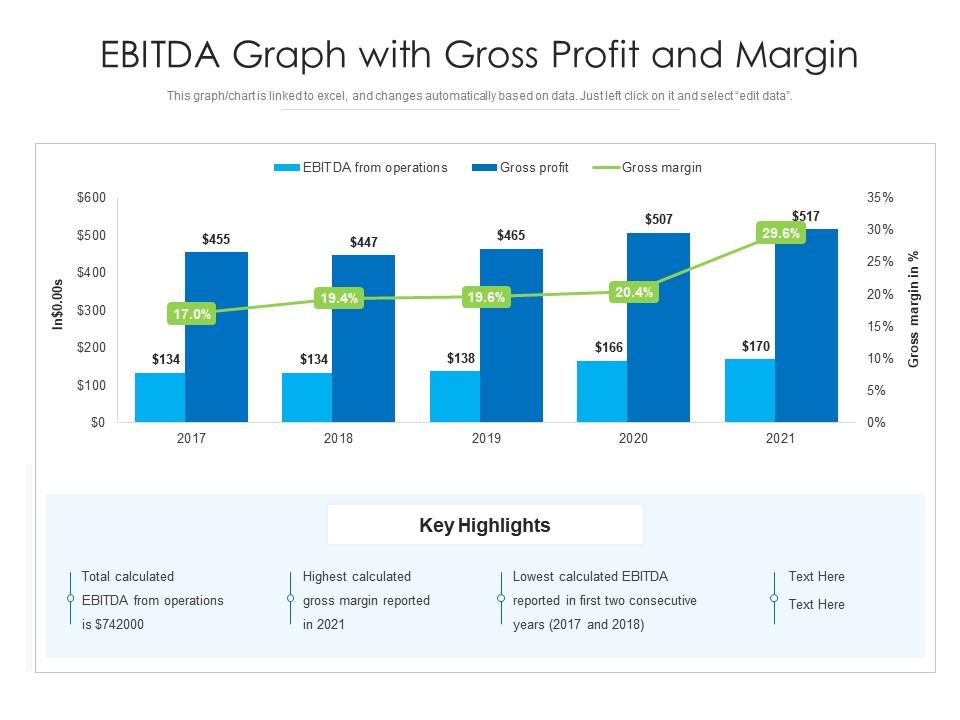
To see the real “power” under the hood, analysts often look at Adjusted EBITA or operating margins. Alibaba, for example, saw its income from operations jump 93% earlier this year due to improved efficiency. Similarly, Cisco exceeded expectations with a non-GAAP operating margin of 34.4%, proving that even hardware-centric firms are getting leaner and meaner.
Average corporate salary in India
Although quarterly reports in India don’t clearly and comprehensively report corporate salaries, the trend of investing in high-end talent is evident. Tencent recently reported that AI-specialized engineers are receiving “really good salaries” as companies compete for best practices and technologies to lead the tech transition.
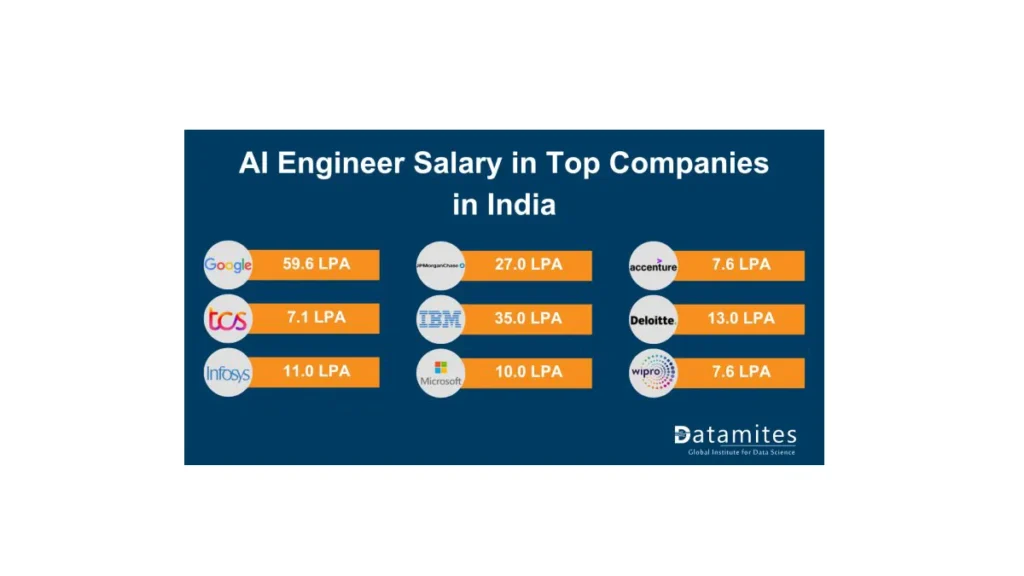
Major Indian players under global umbrellas are also making waves. Walmart highlighted PhonePe’s preparation for a potential IPO, which included a non-cash share-based compensation charge to reward its workforce. This focus on high-value compensation suggests that for skilled tech professionals, the rewards are reaching new heights.
Corporate earnings in India chart
If we were to look at a corporate earnings India chart, the trajectory would be pointing up for several multinational segments. Walmart International reported that its growth was significantly led by Flipkart and PhonePe in India.

Coca-Cola also remains incredibly bullish on the region. Despite some seasonal monsoons affecting short-term volume, management described India as an emerging market with “huge, huge, huge potential for growth” over the coming years. Furthermore, SAP revealed that Indian firms like JK Cement are already using AI agents to cut purchase-related process times by 50%, illustrating how quickly Indian industry is adopting global tech trends.
Disclaimer: This report summarizes financial trends from various 2025 earnings transcripts for informational purposes. It does not constitute formal financial advice. Investors should perform independent research or consult a professional advisor before making investment decisions.
F&Q
- What are the profits of AI companies?
- AI corporate earnings are the money and profits that companies make by selling AI products, services, cloud AI tools, and automation technologies.
- Why are the biggest tech companies making record profits from AI?
- Big tech companies are making money off of AI by using cloud computing, AI-powered ads, enterprise automation tools, and AI assistants that people pay for.
- Will the AI profit boom last for a long time?
- Infrastructure costs, rules, competition, and real-world use all affect sustainability. Some analysts say that growth will be strong, while others warn that there could be a tech bubble.
- How does AI help with operating margins?
- AI lowers labor costs, automates tasks, boosts productivity, improves ad targeting, and makes the supply chain more efficient, all of which lead to higher operating margins.
- What areas of business see the most growth in AI corporate earnings?
- The sectors that are currently seeing the biggest impact on profits from AI are technology, cloud computing, banking, e-commerce, advertising, and enterprise software.
Read Also:
Budget 2026 Expectations How to Apply India-AI Impact Summit 2026? JARVIS Is Here?